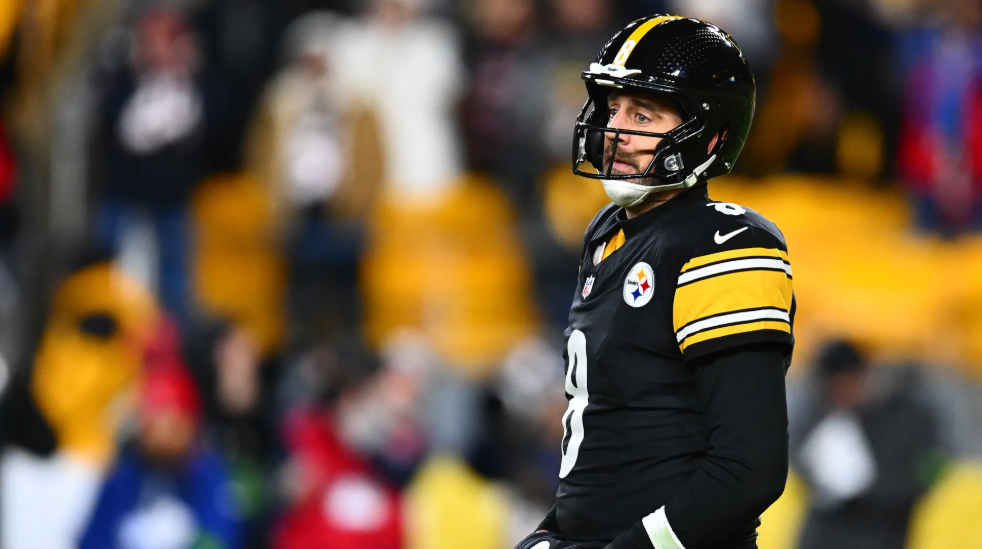
Quarterback Aaron Rodgers’ career might be over after the loss. Photo: Joe Sargent/Getty Images
The Pittsburgh Steelers are one of the NFL’s most storied franchises, defined by six Super Bowl titles, legendary defenses, and a culture built on winning. Yet in recent seasons, that proud history has clashed with a frustrating present. With another early postseason exit, the Steelers’ winless playoff streak continues, raising difficult questions about the team’s direction and long-term competitiveness.
Despite consistent regular-season appearances, the Steelers have struggled to translate stability into postseason success. Finishing above .500 and sneaking into the playoffs has become familiar, but these appearances often feel more like survival than true contention. Against elite opponents, Pittsburgh has frequently looked a step behind—outmatched in speed, execution, and offensive firepower.
Offensively, inconsistency has been a major issue. Whether due to growing pains at quarterback, a conservative game plan, or an inability to adjust mid-game, the Steelers have often failed to keep pace when the stakes are highest. Long stretches without scoring and an overreliance on the defense have made playoff games especially unforgiving.
Defensively, once the team’s calling card, flashes of brilliance remain, but they have not been enough. Injuries, depth concerns, and extended time on the field have worn the unit down in postseason matchups. Even standout individual performances cannot compensate for a lack of complementary football.
Coaching also finds itself under the microscope. Stability has long been a strength in Pittsburgh, but continuity alone does not guarantee progress. As the league evolves, questions arise about whether the Steelers are adapting quickly enough to modern offensive trends and aggressive playoff strategies.
For fans, the streak is painful, but hope remains. The foundation of a strong organization is still there. Turning playoff appearances into playoff wins, however, will require bolder decisions, smarter roster construction, and a clear vision for the future. Until then, the streak serves as a reminder that tradition alone cannot win games in January.